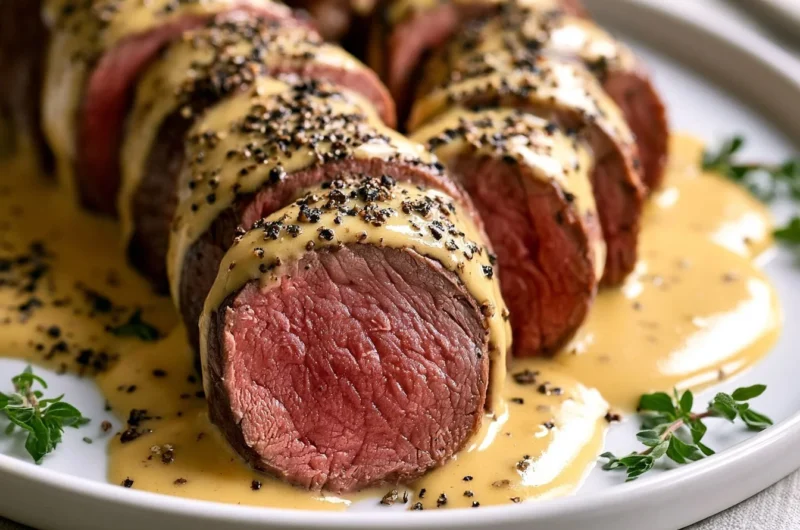
Chateaubriand Succulent Beef Tenderloin
The rich aroma of a perfectly cooked beef tenderloin fills the air, mingling with the scent of rosemary and garlic. As the knife glides through the buttery meat, a wave of satisfaction washes over everyone at the table. Each slice reveals a pink center, promising indulgent juiciness. This is the magic of Chateaubriand, an elegant dish worthy of any special occasion or an extraordinary dinner at home. You may also find Beef With Crispy Fries Plate useful.
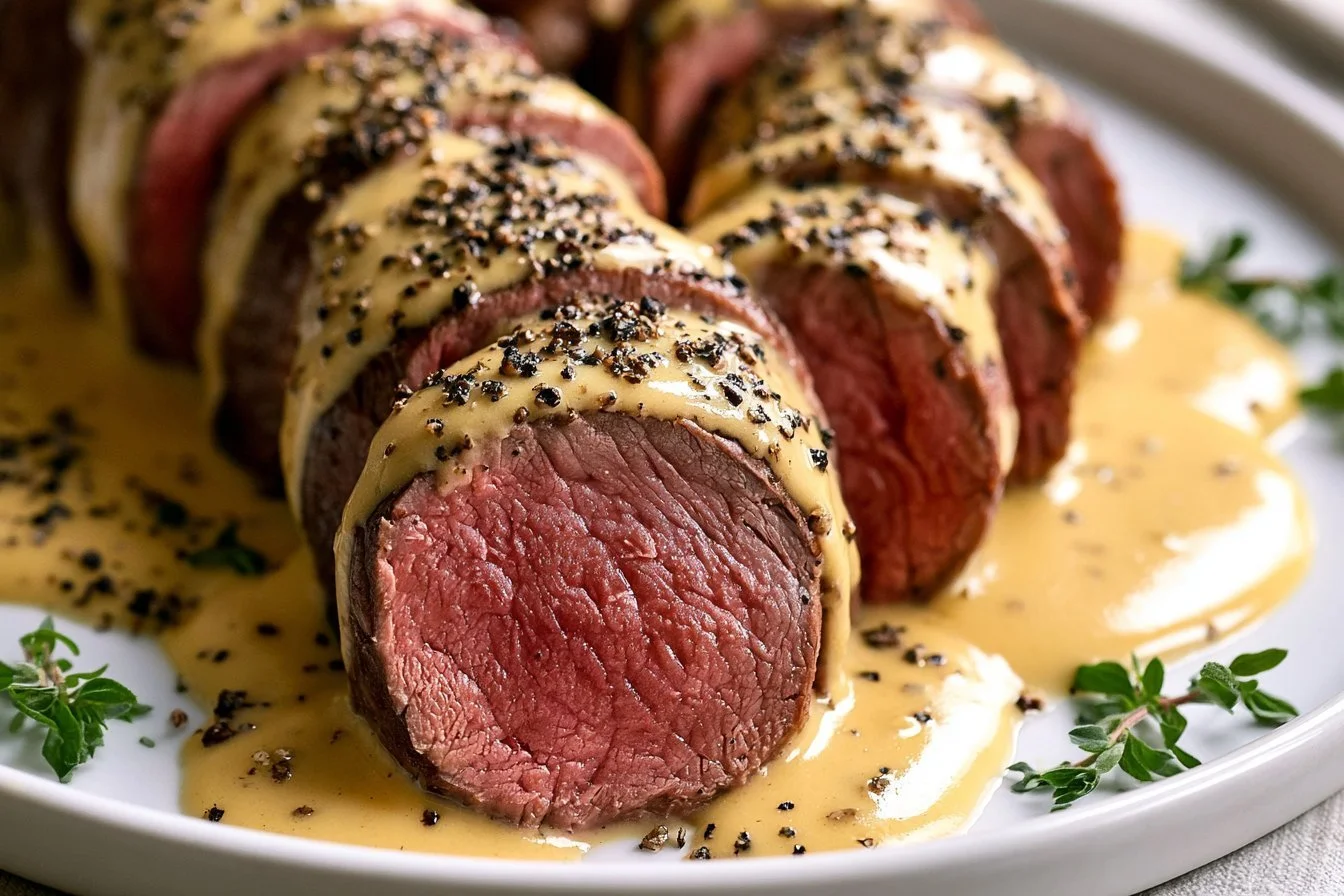
This guide will walk you through everything you need to know about preparing Chateaubriand, from understanding its origins to perfecting the cooking process and even managing leftovers.
Why you’ll love this Chateaubriand recipe
- Impressive presentation that elevates any meal, making it perfect for celebrations or intimate dinners.
- Succulent and tender meat that practically melts in your mouth, bringing joy to every diner.
- Versatile serving options, allowing you to pair it with a range of sides for a complete meal.
- Quick cooking time for a gourmet experience without spending hours in the kitchen.
- Minimal cleanup with straightforward preparation and cooking methods.
Ingredients you’ll need
- 2 lb Chateaubriand beef tenderloin (the star of the show; ensure quality for the best flavor and texture)
- Salt and pepper (basic seasoning that enhances the beef’s natural flavor)
- 2 tablespoons olive oil (for searing and adding richness)
- 2 tablespoons unsalted butter (to baste the meat and add a luxurious finish)
- Fresh herbs (e.g., thyme or rosemary) (for aromatic flavor during cooking)
- 4 cloves garlic, crushed (adds depth and enhances the overall taste)
How to make Chateaubriand (step-by-step)
- Preheat your oven to 425°F (220°C). This high heat is essential for achieving a beautifully seared exterior.
- Season the tenderloin generously with salt and pepper. Allow it to rest at room temperature for about 30 minutes, which helps the meat cook more evenly.
- Heat olive oil in a large oven-safe skillet over medium-high heat until shimmering. Add the beef tenderloin and sear each side for about 2-3 minutes until a golden crust forms.
- Add butter, crushed garlic, and herbs to the skillet. Use a spoon to baste the top of the tenderloin with the melting butter, enhancing the flavor and moisture.
- Transfer the skillet to the oven and roast for about 20-25 minutes, or until an instant-read thermometer registers 130°F (54°C) for medium-rare. Adjust the time based on your preferred doneness.
- Remove from the oven and let the meat rest for 10-15 minutes. This step allows the juices to redistribute, ensuring a tender and juicy result.
- Slice against the grain into thick pieces for serving, ensuring each bite is as soft and succulent as possible.
Tips for the best results
- Use a meat thermometer to check the internal temperature accurately. This eliminates guesswork and helps you avoid overcooking.
- Allow your beef to rest before cutting into it; this crucial step keeps the juices intact.
- Pair it with sides like crispy potatoes or beef and broccoli for a well-rounded meal.
Common mistakes to avoid
- Oversearing the meat can lead to a dry exterior. Seering should be quick and controlled to lock in juices.
- Skipping the resting period is a common pitfall; let the meat rest for the best flavor and texture.
- Undercooking especially with thick pieces; use a thermometer to ensure the meat reaches the desired temperature.
Variations
- Herb crust: You can coat the tenderloin with a mixture of minced garlic, breadcrumbs, and herbs for a crunchy texture.
- Sauce version: Serve with a red wine reduction sauce for an elegant touch that complements the beef beautifully.
- Stuffed tenderloin: Slice a pocket into the tenderloin and fill it with a mixture of spinach and feta for a flavor twist.
Storage and reheating
- Refrigerate leftovers in an airtight container for up to 3 days. Ensure they are cooled completely before sealing.
- Reheat gently in the oven at 300°F (150°C) until warmed through to prevent dryness.
- Freezing is possible; wrap tightly in plastic wrap before storing in a freezer bag. Use within three months for peak quality.
Frequently asked questions
- Can I use frozen beef?
Yes, but thaw thoroughly in the refrigerator before cooking for the best results. - Why did my Chateaubriand turn out dry?
This can happen from overcooking; using a reliable thermometer helps achieve the right doneness. - Can I make this ahead?
Yes, it can be browned and stored ahead, then finished in the oven when ready to serve.
Final thoughts
As you slice into your Chateaubriand, take a moment to savor the tender, juicy texture and rich flavors that come from careful preparation. Each bite reminds you of that perfect evening filled with laughter and shared meals, just like those special moments in your grandmother’s kitchen when time stood still and every dish was a demonstration of love.
Conclusion
For an exquisite meal that impresses, you might want to explore a slow-roasted beef tenderloin recipe which is equally delicious. For those looking to source quality ingredients, consider the options available at Premier Meat Company to ensure you’re getting the best for your culinary creation.