Spanferkel: A Festive German Tradition
The crackling sound of crispy skin sizzling over an open flame fills the air, mingling with the rich aroma of herbs and roasted meat. At the edge of a bustling festival, a long line of eager patrons patiently awaits their turn to savor a slice of Spanferkel, a traditional German delicacy. This moment not only celebrates food but brings together family and friends in a joyous atmosphere, marking the festive spirit that permeates the air, especially during important celebrations. You may also find Bbq Glazed Chicken Drumsticks With Corn Rice Sweet Corn useful.
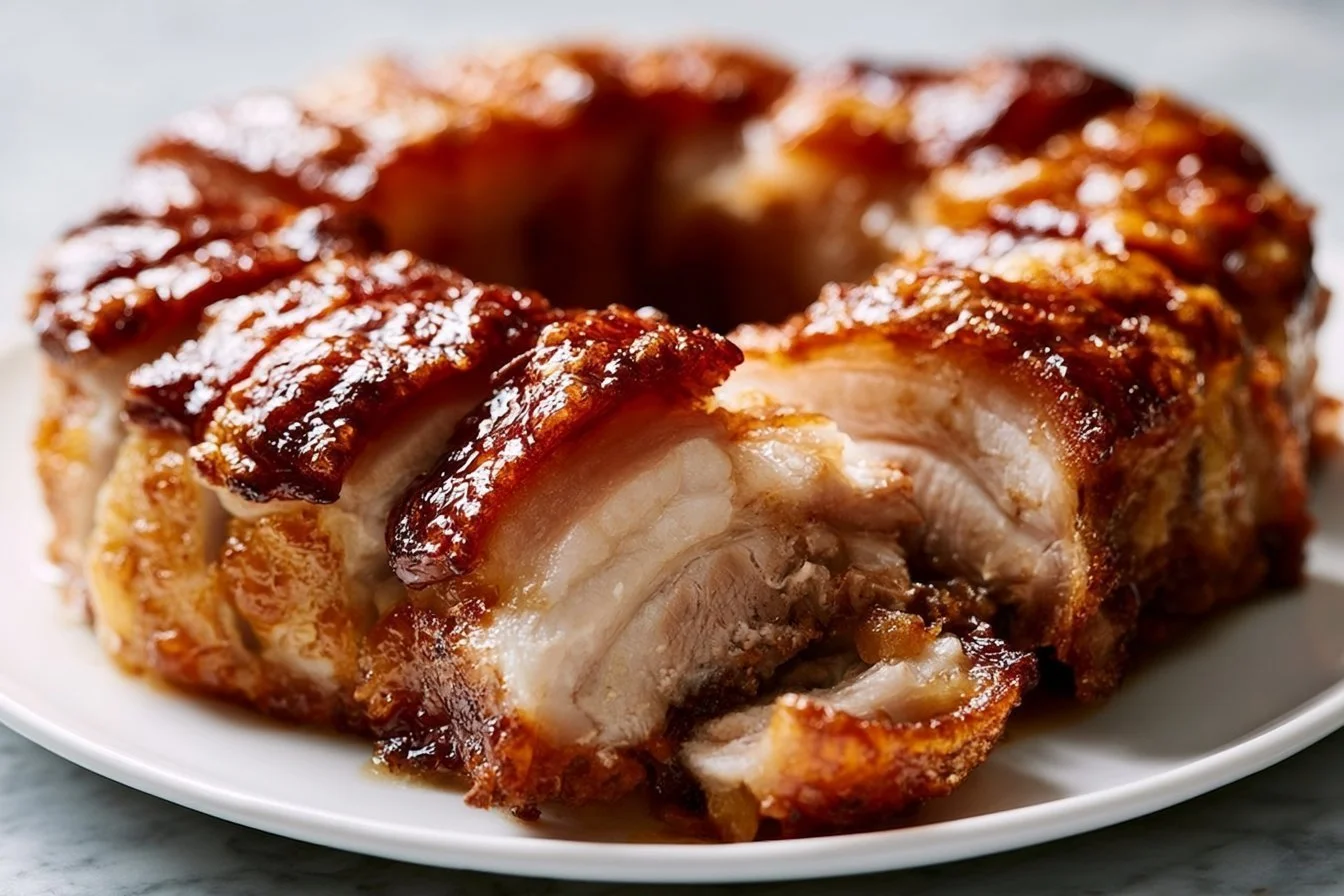
Spanferkel, or roast suckling pig, is far more than just a dish; it is a tradition steeped in history and culture. In this article, we will explore the origins of Spanferkel, the essential ingredients, preparation methods, and tips to create an authentic experience at home. Prepare to dive into a world where flavor and festivity collide.
Why you’ll love Spanferkel
- Ultimate festival food: Spanferkel is the centerpiece of many celebrations in Germany, bringing families and friends together in joyous gatherings.
- Crispy skin and tender meat: Enjoy the contrast of crunchiness and succulence, every bite offers a satisfying texture experience.
- Versatile serving options: Serve it with various sides, from traditional Sauerkraut to a refreshing garden salad, enhancing the meal’s appeal.
- Impressive presentation: A whole roasted pig makes for a stunning centerpiece at any gathering, sure to impress your guests.
- Rich cultural significance: This dish embodies centuries of German tradition, honoring the past while creating new memories in the present.
Ingredients you’ll need
- 1 whole suckling pig (around 20-30 lbs; this size ensures tender, succulent meat)
- Salt (to season and enhance the natural flavors)
- Fresh herbs (such as rosemary, thyme, and sage; these add depth to the flavor)
- Garlic (provides a lovely aroma and robust taste)
- Olive oil (helps achieve that perfect crispy skin)
How to make Spanferkel (step-by-step)
- Prepare the pig: Clean the pig thoroughly, removing any residual hair and organs. Pat dry with towels to ensure crispy skin.
- Season generously: Rub salt and olive oil all over the pig, ensuring it gets into every nook. Sprinkle chopped garlic and herbs inside the cavity for deep flavor infusion.
- Preheat your oven or rotisserie: Ideally, a spit over an open flame is best, but if not possible, a large oven set to a low temperature (around 300°F) will work.
- Cook slowly: Place the pig on the rotisserie or in the oven and cook for 4-6 hours. The key is cooking until the skin is golden brown and crispy, and the internal temperature reaches at least 160°F.
- Baste periodically: Use a mixture of olive oil and herbs to baste the pig every hour or so, keeping the meat moist and flavorful.
- Rest before serving: Once cooked, let the pig rest for 20-30 minutes. This allows juices to redistribute, ensuring moist slices.
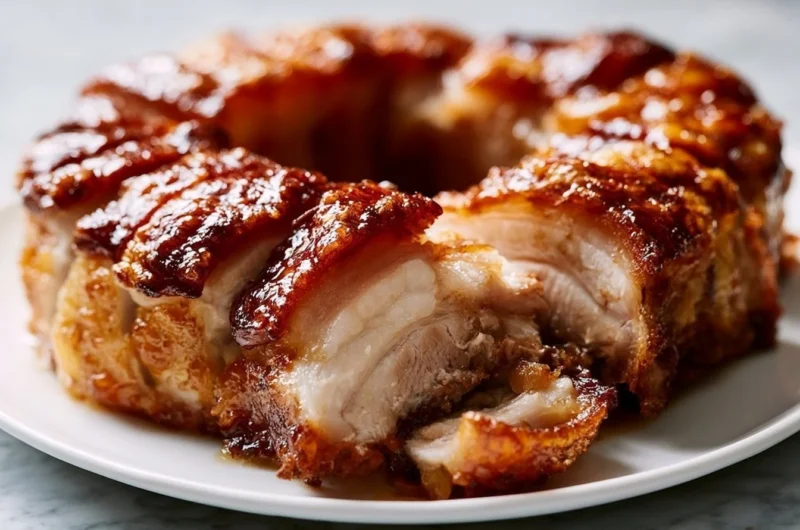
- Carve and serve: Create beautiful slices, showcasing the tender meat and crispy skin, and serve with traditional sides like herb-roasted potatoes and creamy coleslaw.
Tips for the best results
- Choose the right size: Opt for a suckling pig that’s well-prepared, ensuring even cooking and the best texture.
- Use a meat thermometer: This will help guarantee the pig reaches the perfect temperature; undercooking can lead to texture issues.
- Plan ahead: Make sure to give yourself enough time for preparation and cooking. Spanferkel is not a last-minute dish.
Common mistakes to avoid
- Not drying the skin: Ensure the pig’s skin is completely dry before seasoning; moisture prevents it from crisping up properly.
- Overcooking: Keep an eye on the internal temperature; overcooked meat can become dry and tough.
- Poor seasoning: Don’t skimp on the salt and herbs; these provide the essential flavor that makes Spanferkel so special.
Variations
- Stuffed Spanferkel: Consider stuffing the pig with apples, onions, and herbs for an added flavor dimension.
- BBQ variation: For those who enjoy a smoky flavor, cook the pig over a charcoal grill for a different take on this classic dish.
Storage and reheating
- Store leftover Spanferkel in an airtight container in the refrigerator and consume within 3-4 days.
- To reheat, place slices in an oven preheated to 350°F for about 10-15 minutes until warmed through.
Frequently asked questions
- Can I use a frozen suckling pig? Yes, but ensure it is fully thawed in the refrigerator before cooking to avoid uneven textures.
- What are the best sides for Spanferkel? Traditional pairings include Sauerkraut, roasted vegetables, or salads, such as garden salads.
- Can I prepare Spanferkel ahead of time? While it’s best eaten fresh, leftovers can be stored and reheated for another meal.
Final thoughts
Creating a Spanferkel is more than just a culinary endeavor; it’s a way to connect with cultural roots and bring people together. The joy of sharing a beautifully roasted pig at a gathering mirrors my own childhood memories of celebrations bursting with laughter and warmth, miles away from the cares of everyday life. Embrace the tradition, honor the flavors, and let each bite transport you to a festive time and place.
Conclusion
To deepen your appreciation for this remarkable dish, you might enjoy reading more about its place in German culture by visiting What is Spanferkel? A Roasted Pig, Perfect for German Festivals! For a more extensive exploration of various festive recipes, check out The Hirshon Bavarian Roast Suckling Pig – The Food Dictator.
Spanferkel
Ingredients
Method
- Clean the pig thoroughly, removing any residual hair and organs. Pat dry with towels to ensure crispy skin.
- Rub salt and olive oil all over the pig, ensuring it gets into every nook. Sprinkle chopped garlic and herbs inside the cavity for deep flavor infusion.
- Preheat your oven or rotisserie; a spit over an open flame is best, but a large oven set to a low temperature (around 300°F) will work.
- Place the pig on the rotisserie or in the oven and cook for 4-6 hours until the skin is golden brown and crispy, reaching an internal temperature of at least 160°F.
- Baste periodically with a mixture of olive oil and herbs every hour to keep the meat moist and flavorful.
- Once cooked, let the pig rest for 20-30 minutes to allow juices to redistribute.
- Carve beautiful slices showcasing the tender meat and crispy skin, and serve with traditional sides.