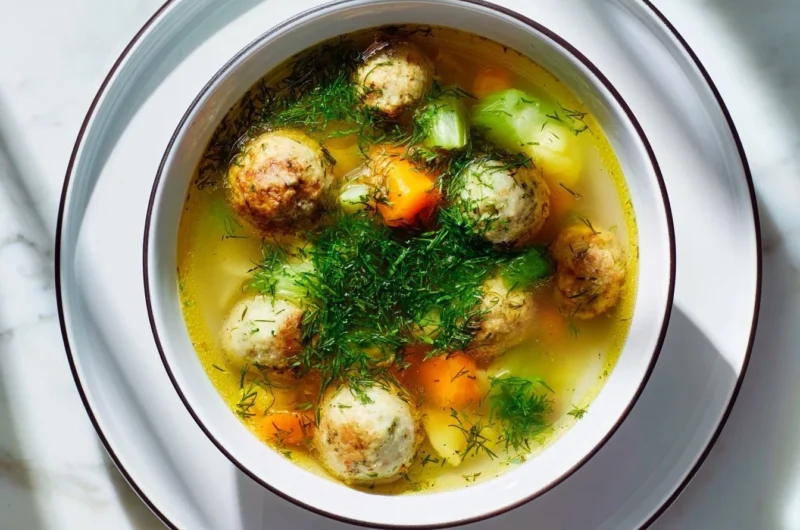
Discovering Hochzeitssuppe: The Heart of German Celebrations
Growing up in a German household, the aroma of a rich broth simmering on a cold winter day was a familiar pleasure. Every wedding season brought the celebration of Hochzeitssuppe, filling not just our bellies, but also our hearts with warmth and joy. The hearty blend of flavors, highlighted by tender pieces of meat and delicate noodles, enveloped the rooms with a comforting embrace, making it impossible to resist. As the tradition goes, this ceremonial soup not only nourishes the body but also symbolizes joy and togetherness, binding loved ones even in the simplest moments shared over a bowl. You may also find One Pan Meat For A Family useful.
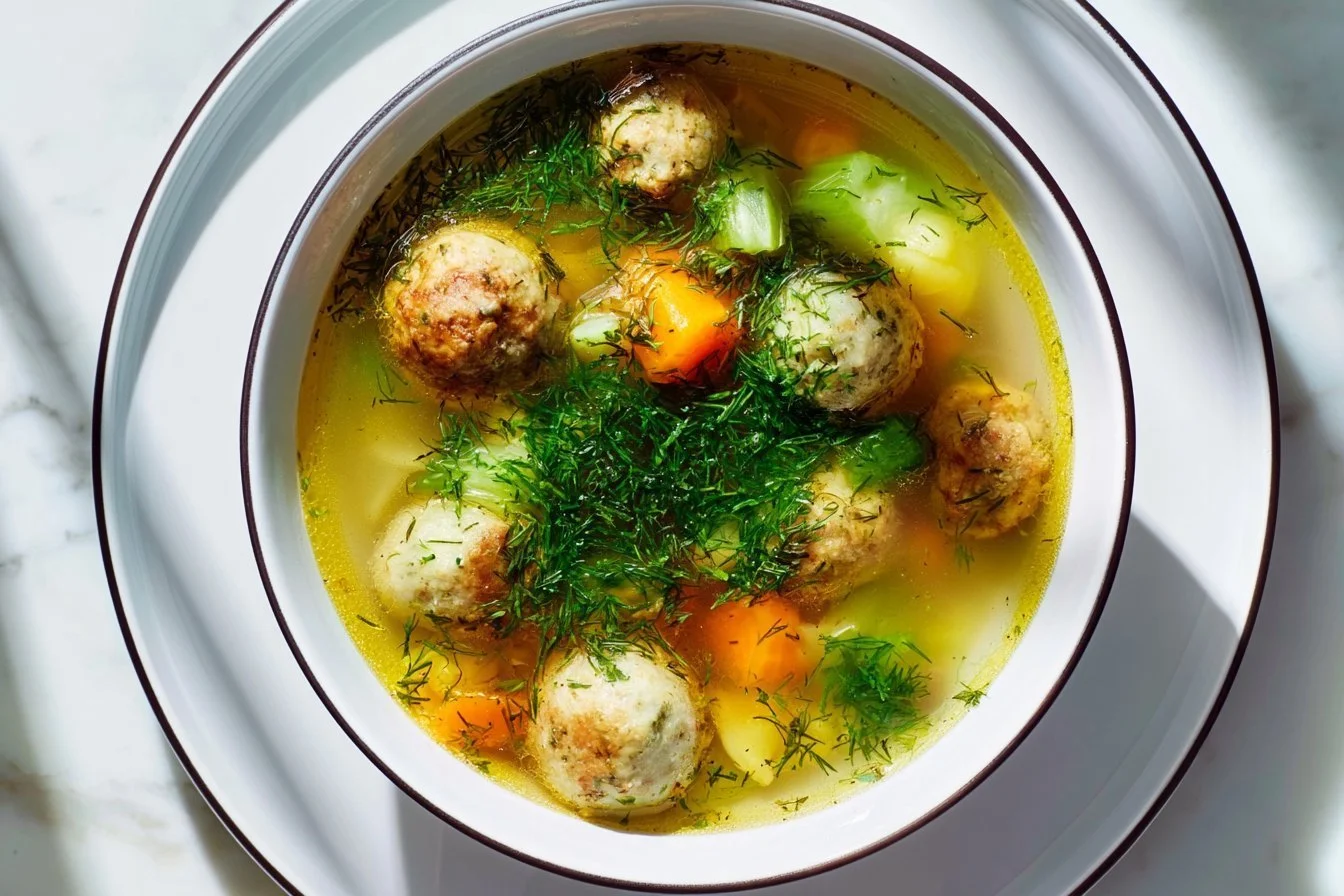
This article explores the delightful world of Hochzeitssuppe, delving into its history, preparation, and the reasons behind its popularity across generations. You may also find Crispy Meat Recipes For Dinners useful.
Why you’ll love this traditional soup
- Ceremonial significance: Hochzeitssuppe is a staple at weddings and celebrations, rich in traditions and meaning.
- Comforting flavors: The combination of meat, broth, and fresh herbs creates a uniquely satisfying taste.
- Customizable ingredients: You can adapt the recipe based on personal tastes or available ingredients.
- Perfect for gatherings: It serves well as a hearty dish for family and friends, perfect for both casual and special occasions.
Ingredients you’ll need
- 1 kg beef (chuck roast works well for flavor and tenderness)
- 1 lb chicken (a whole chicken adds depth to the soup)
- 2 large onions (for a base of flavor — consider browning them for extra depth)
- 3 carrots (adds a hint of sweetness and nutrition)
- 2 stalks celery (balances the flavors)
- Salt and pepper (to taste — season wisely!)
- Fresh herbs (like parsley and thyme for garnishing)
How to make Hochzeitssuppe
- Prepare the broth: In a large pot, place the beef and chicken and cover with cold water. Bring to a gentle boil, removing the foam that forms on top.
- Add the vegetables: Once the broth is clear, toss in the onions, carrots, and celery. Lower the heat and let it simmer for at least two hours.
- Season the broth: Add salt and pepper as the liquid reduces, enhancing the flavors as it cooks down.
- Strain the soup: After simmering, remove the meats and vegetables, straining the broth to achieve a clear soup.
- Shred the meat: Once cooled, shred the chicken and cut the beef into bite-size pieces. Add them back to the broth.
- Cook the noodles: In a separate pot, prepare your favorite noodles (like egg noodles or spaetzle) according to package instructions. Drain and set aside.
- Combine and serve: Add the cooked noodles to the pot of broth with meat. Garnish with fresh herbs before serving hot.
Tips for the best results
- Use quality meat: Opt for grass-fed beef and free-range chicken for a richer flavor.
- Marinate the meats in advance: Doing this overnight can enhance the depth of flavor.
- Adjust seasoning gradually: Taste throughout the cooking process to ensure a balanced broth.
Common mistakes to avoid
- Not skimming the foam: Be diligent in removing impurities during the boil, which can lead to a cloudy broth.
- Overcooking the noodles: Ensure they’re al dente; they will continue to cook once mixed into the hot broth.
- Neglecting the herbs: Fresh herbs make a significant difference; don’t skip this final touch.
Variations
- Vegetarian option: Swap the meat for hearty mushrooms and vegetables, creating a strong vegetable stock.
- Different spices: Experiment with adding spices such as bay leaves or allspice for a different profile.
- Regional variations: In different parts of Germany, you can find variations that may include different meats or grains like barley.
Storage and reheating
Store leftover Hochzeitssuppe in an airtight container in the fridge for up to three days. To reheat, gently warm the broth on the stove and add fresh noodles as needed; this prevents them from becoming soggy. Alternatively, you can freeze the soup for up to three months, just be sure to keep the noodles separate as they don’t freeze well. You may also find Crispy Moroccan Cured Meat Bites useful.
Frequently asked questions
- Can I use frozen meat? Yes, just ensure it’s fully thawed before adding it to the broth.
- Why did mine turn out bland? Make sure to taste the broth continuously and adjust seasoning as needed.
- Can I make this ahead of time? Absolutely! It often tastes better the next day when the flavors meld together.
Final thoughts
With its rich history and heartwarming flavors, Hochzeitssuppe is more than just a dish; it’s a celebration of love and community. Sharing a bowl with family echoes those cherished memories from childhood, reminding us of the importance of tradition and togetherness during special seasons of our lives.
Conclusion
Exploring the roots and adaptations of Hochzeitssuppe reveals its cultural significance beyond just being a dish. To enrich your knowledge further, check out the detailed insights on Hochzeitssuppe – Wikipedia or delve into the German version for more cultural nuances at Hochzeitssuppe – Wikipedia.
Hochzeitssuppe
Ingredients
Method
- In a large pot, place the beef and chicken and cover with cold water.
- Bring to a gentle boil, removing the foam that forms on top.
- Once the broth is clear, toss in the onions, carrots, and celery.
- Lower the heat and let it simmer for at least two hours.
- Add salt and pepper as the liquid reduces, enhancing the flavors as it cooks down.
- After simmering, remove the meats and vegetables, straining the broth to achieve a clear soup.
- Once cooled, shred the chicken and cut the beef into bite-size pieces. Add them back to the broth.
- In a separate pot, prepare your favorite noodles (like egg noodles or spaetzle) according to package instructions. Drain and set aside.
- Add the cooked noodles to the pot of broth with meat.
- Garnish with fresh herbs before serving hot.