Classic French Baguette Recipe
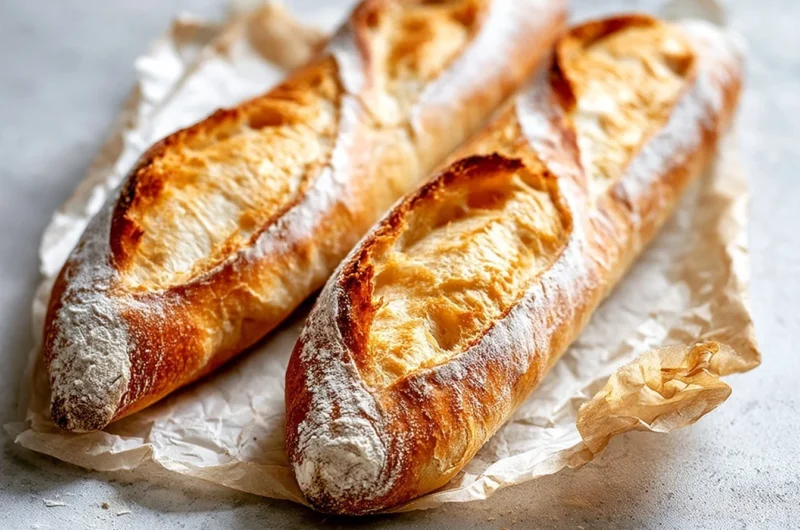
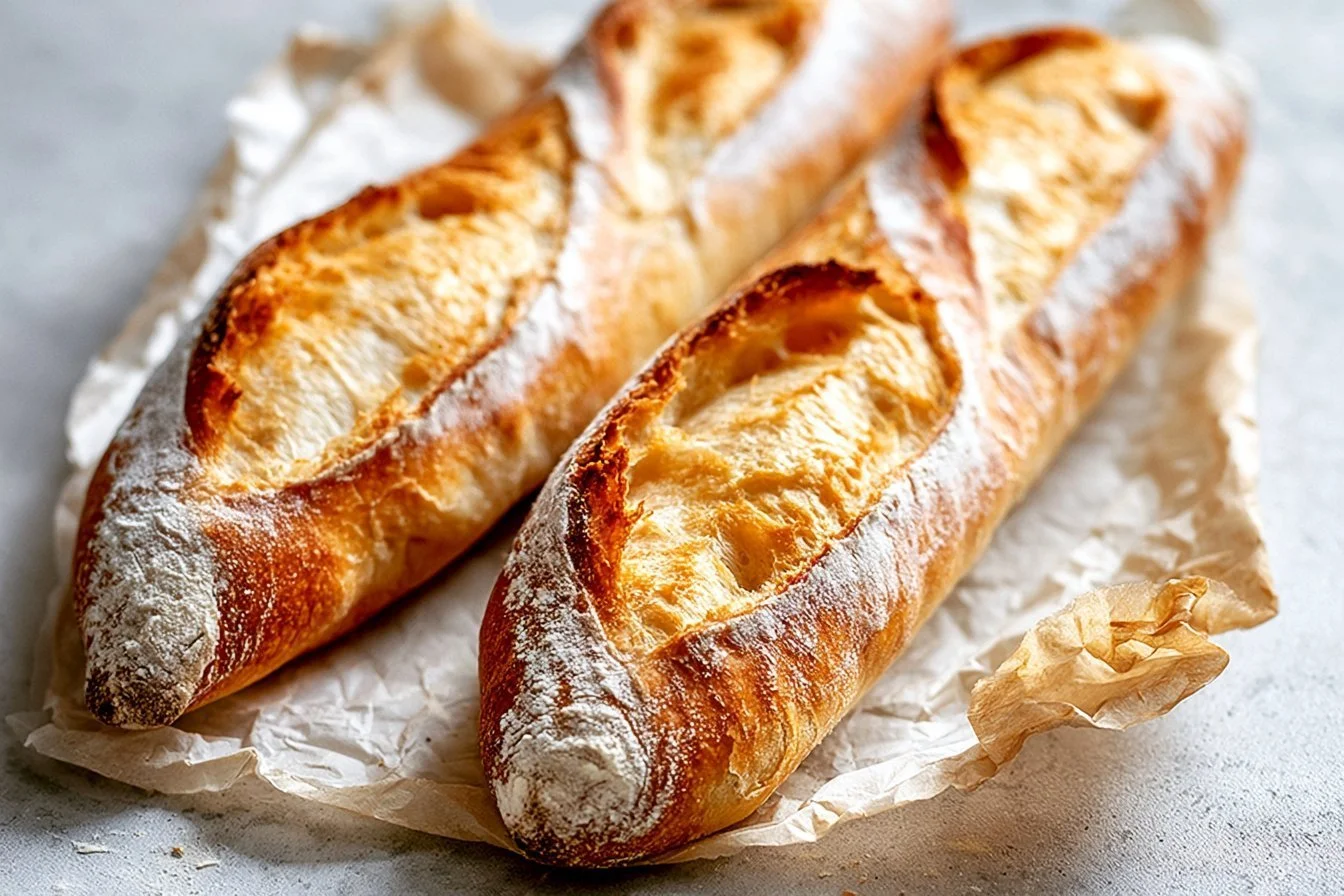
The aroma of freshly baked bread fills the air, intoxicating anyone nearby. The crust crackles as it breaks, releasing steam that wafts into your nostrils, reminiscent of those quaint Parisian bakeries where the scent seems to linger as if time stands still. As you tear into the warm, golden baguette, the soft, airy interior beckons for a spread of creamy butter or a dip into fragrant olive oil. This classic French baguette recipe will transport you to the streets of France with each bite, allowing you to recreate that blissful experience right in your own kitchen. You may also find Cajun Mardi Gras Classics useful.
Mastering the art of making baguettes might seem daunting, but with a few simple ingredients and the right techniques, you’ll be able to bake your own version that rivals those from authentic French bakeries. Let’s dive into the reasons you’ll be enamored with this wonderful recipe and how to bring it to life. You may also find Crispy Meat Recipes For Dinners useful.
Why you’ll love this Classic French Baguette Recipe
- Absolutely irresistible when served fresh from the oven, crispy on the outside and soft on the inside.
- Perfect for accompanying cheeses, meats, or soups, making it a great addition to any meal.
- A sense of pride comes with making bread from scratch, creating a comforting, homemade atmosphere.
- Simple ingredients, often found in your pantry, lend themselves to this sophisticated treat.
Ingredients you’ll need
- 500g bread flour (provides a strong structure and chewy texture).
- 350ml water (ideally at room temperature, as it activates the yeast effectively).
- 10g sea salt (enhances flavor, helping to balance the sweetness of the dough).
- 2g dried yeast (as a quicker alternative to fresh yeast, it still does an excellent job).
How to make Classic French Baguettes (step-by-step)
-
Mix the dough: In a large bowl, combine the flour and yeast. Pour in the water while mixing with your hand until a shaggy dough forms. Let it rest for about 30 minutes. You may also find Crispy Pepper Steak Stir Fry With French Fries And Salad useful.
-
Incorporate salt: Sprinkle the sea salt over the dough, then mix until fully incorporated. Knead the dough on a lightly floured surface for about 10 minutes until it becomes smooth and elastic.
-
First rise: Place the dough in a lightly oiled bowl, cover it with a damp cloth, and allow it to rise at room temperature for about 1 to 2 hours or until doubled in size.
-
Shape the baguettes: Once risen, gently deflate the dough. Divide it into three equal pieces. Shape each piece by flattening it into a rectangle, then fold the edges inward towards the center. Roll it into a log, making sure to create surface tension.
-
Second rise: Place the shaped baguettes on a floured couche or a baking sheet lined with parchment paper. Cover them with a cloth, and let them rise for another 30 to 45 minutes.
-
Preheat the oven: As the baguettes rise, preheat your oven to 240°C (465°F), placing a shallow pan of water at the bottom to create steam.
-
Score and bake: Once risen, use a sharp blade to make several diagonal slashes across the top of each baguette. This allows the steam to escape during baking. Bake for 20-25 minutes or until golden brown.
-
Cool and enjoy: Allow the baguettes to cool on a wire rack before slicing to maintain the crusty exterior.
Tips for the best results
- Ensure your yeast is fresh for optimal dough rise.
- Experiment with baking stones to achieve a crustier finish.
- Use a digital scale for accurate measurements, leading to better consistency.
Common mistakes to avoid
- Avoid under-kneading: Proper gluten development is essential for the bread to rise appropriately.
- Don’t skip the second rise; it contributes to the dough’s airy texture.
- If your baguette is too dense, make sure your yeast was active and that you adequately adhered to the hydration levels.
Variations
- For a whole-grain baguette, try substituting half of the bread flour for whole wheat flour.
- Add herbs like rosemary or thyme to the dough for an aromatic twist.
- Experiment with different toppings like seeds, crushed garlic, or grated cheese to enhance flavors.
Storage and reheating
Store your baguettes wrapped in a bread box or a paper bag for up to 2 days. To refresh, slice and toast them briefly in an oven at 180°C (350°F) for about 5-7 minutes, restoring their crispiness. Baguettes freeze well too; wrap them tightly in plastic wrap and use within 3 months.
Frequently asked questions
Can I use instant yeast instead of dried yeast?
Yes, you can replace dried yeast with an equal amount of instant yeast without altering the recipe.
Why did mine turn out dry?
This could result from overbaking or too little water in your dough. Always check for doneness visually and by tapping the bottom of the baguette for a hollow sound.
Is it possible to make this ahead of time?
Absolutely! You can prepare the dough up to the second rise and refrigerate it to bake later, giving your bread a deeper flavor.
Final thoughts
Biting into a warm, freshly baked baguette evokes a sense of comfort and nostalgia, reminiscent of those endless sunny days in a French village where time stands still. With this classic French baguette recipe, you don’t just have a bread recipe; you have the key to capturing those idyllic moments at home.
Conclusion
Baking a classic French baguette can be a deeply rewarding experience, connecting you with the rich traditions of bread-making. For additional techniques and tips, you might want to explore How to Make French Baguettes – Taste of Artisan and discover more detailed instructions at Classic Crusty French Baguettes – Aberdeen’s Kitchen. Enjoy the beautiful process and the even more beautiful bread!