Crispy Sole Meunière with Lemon Brown Butter
The fragrance of sizzling butter fills the kitchen as the sole fillet hits the hot pan, creating a satisfying hiss that invites immediate attention. It’s a symphony of smells and sounds; the rich notes of brown butter mingle with the sharp freshness of lemon—this is the moment that transforms a simple day into an unforgettable culinary experience. With every bite of the golden, crispy crust, there’s a delightful contrast of textures that perfectly complements the tender fish underneath. This dish doesn’t just taste good; it tells a story of warmth and home. You may also find Crispy Garlic Butter Salmon With Asparagus And Potatoes useful.
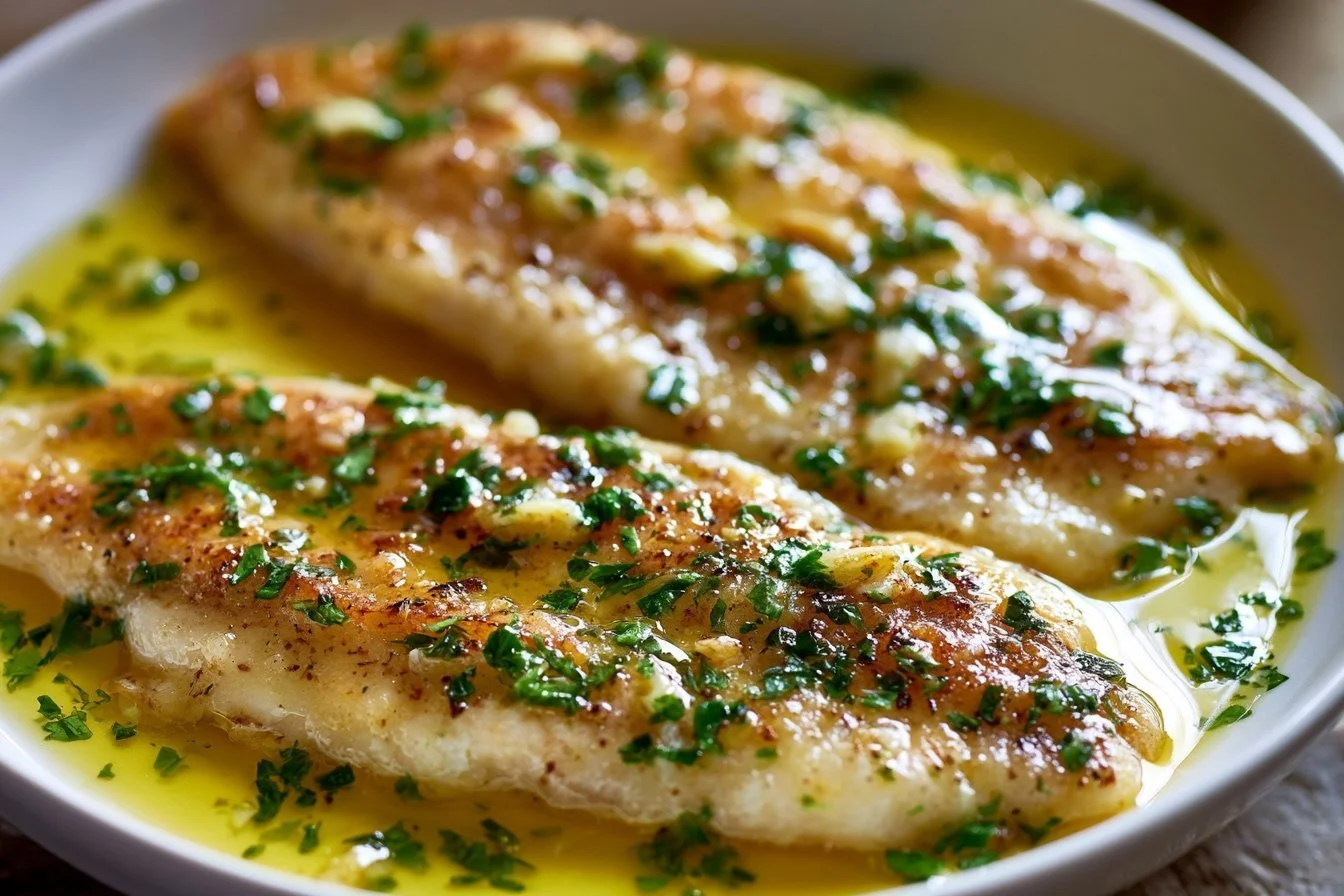
This article will guide you through the process of preparing a delectable crispy sole meunière with lemon brown butter, ensuring that even the busiest home cooks can create a masterpiece without feeling overwhelmed. You may also find Crispy Garlic Butter Steak Bites With Shrimp And Potatoes useful.
Why you’ll love this crispy sole meunière
- Quick preparation: From prep to plate in under 30 minutes, making it perfect for weeknight dinners.
- Balanced flavors: The rich nuttiness of brown butter combined with the brightness of lemon elevates the dish.
- Textural contrast: Achieve a crispy exterior while keeping the fish tender and flaky inside.
- Versatile pairing: Serve alongside vegetables, grains, or even crispy fries for a well-rounded meal.
- Elegant enough for guests: Impress friends with a dish that looks and tastes refined yet can be made easily at home.
Ingredients you’ll need
- 1 lb sole fillets (delicate flavor and texture perfect for frying)
- ½ cup all-purpose flour (creates a delicious crispy crust)
- Salt and pepper (basic seasonings that enhance the dish)
- ½ cup unsalted butter (essential for that rich brown butter flavor)
- 1 lemon (provides acidity to brighten the dish)
- Fresh parsley for garnish (adds freshness and color)
How to make crispy sole meunière (step-by-step)
- Start by patting the sole fillets dry with paper towels. This step is crucial to ensure they get that perfect crisp when cooked.
- Season both sides of the fillets with salt and pepper. Then, dredge them lightly in flour, shaking off any excess flour to avoid clumping.
- Heat a non-stick skillet over medium heat and add the unsalted butter. Swirl the pan occasionally until the butter foams and begins to turn brown, releasing a nutty aroma—this should take about 3-4 minutes.
- Gently place the coated sole fillets in the pan, cooking for about 2-3 minutes on each side. Watch carefully for the golden-brown color that signals they’re ready to flip.
- Once cooked, transfer the fillets to a serving platter. Squeeze fresh lemon juice over the top to add that necessary pop of flavor.
- For a finishing touch, pour the remaining brown butter from the pan over the fillets and garnish with freshly chopped parsley.
Tips for the best results
- Ensure the fillets are as dry as possible before coating them in flour to maximize crispiness.
- Adjust the heat as necessary to prevent the butter from burning; a lower temperature may yield better control.
- Use a lemon zester to create curls from the lemon peel for garnish, which adds a beautiful touch to the presentation.
Common mistakes to avoid
- Don’t overcrowd the pan when cooking; cook in batches if necessary to ensure an even crisp.
- If the batter begins to burn before the fish crisps up, lower the heat to avoid a burnt taste.
- Skip the flour step at your own peril; it’s what gives the dish its signature crunch.
Variations
- For a twist, consider adding capers when melting the butter for a tangy flavor enhancement.
- Swap lemon for lime for a different citrus profile that pairs wonderfully with the fish.
- Try using different types of fish, such as trout or tilapia, if sole isn’t available.
Storage and reheating
- Store any leftovers in an airtight container in the refrigerator for up to 2 days.
- To reheat, place the fish in a single layer on a baking sheet in a preheated oven at 350°F (175°C) for about 10 minutes, which helps maintain its crispiness.
Frequently asked questions
Can I use frozen fish for this recipe?
Yes, but ensure it’s thoroughly thawed and patted dry before cooking for the best results.
Why did my fish turn out soggy?
This can happen if the fillets are too wet or the oil wasn’t hot enough. Always make sure to dry the fish well and ensure the pan is hot before adding the butter.
Can I prepare the sauce in advance?
It’s best made fresh, as brown butter can lose its flavor and quality if stored. However, you can prep the ingredients beforehand.
Final thoughts
As the final bites of crispy sole meunière linger, you’re left with that satisfying crunch from the perfectly cooked fish, which brings a touch of nostalgia—reminding us of shared dinners and joyful gatherings. This dish, defined by its quality ingredients and simple techniques, is not just about a meal; it’s about creating moments worth cherishing, much like those nostalgic childhood dinners filled with laughter and flavor.
Conclusion
For those looking to explore the delightful world of fish recipes, consider checking out the Fish in Brown Butter Sauce Recipe for another delicious take on the classic preparation. Alternatively, you may want to try the esteemed Sole Meunière Recipe for a slightly different, yet equally rewarding culinary journey.