Creamy German Cheesecake Recipe
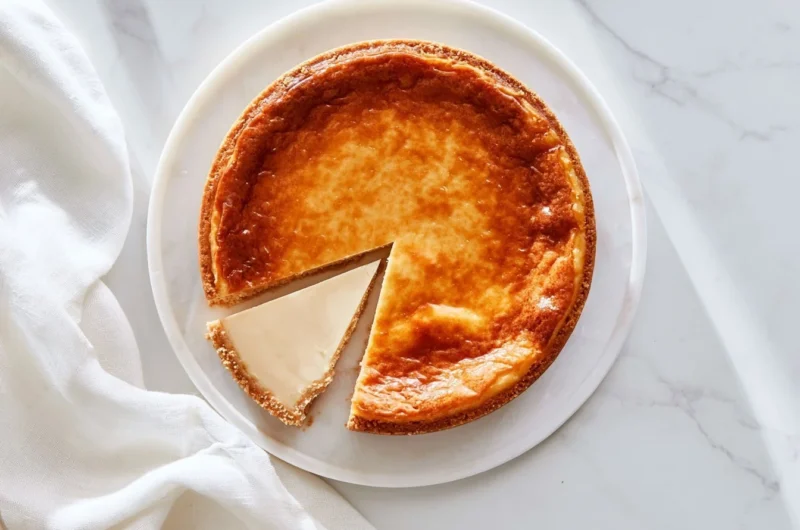
The aroma of fresh cream cheese blended with a hint of vanilla and a graham cracker crust wafted through the air as I carefully removed my cheesecake from the oven. My heart raced; the golden edges and slightly quivering center hinted at the creamy delight that awaited. It was a moment that reminded me of my mother, who would fill our home with the warmth of baking every Sunday, her smile growing wider as we gathered around the table to share her creations. You may also find Delicious Creamy Lobster Thermidor Recipe For Cozy Nights useful.
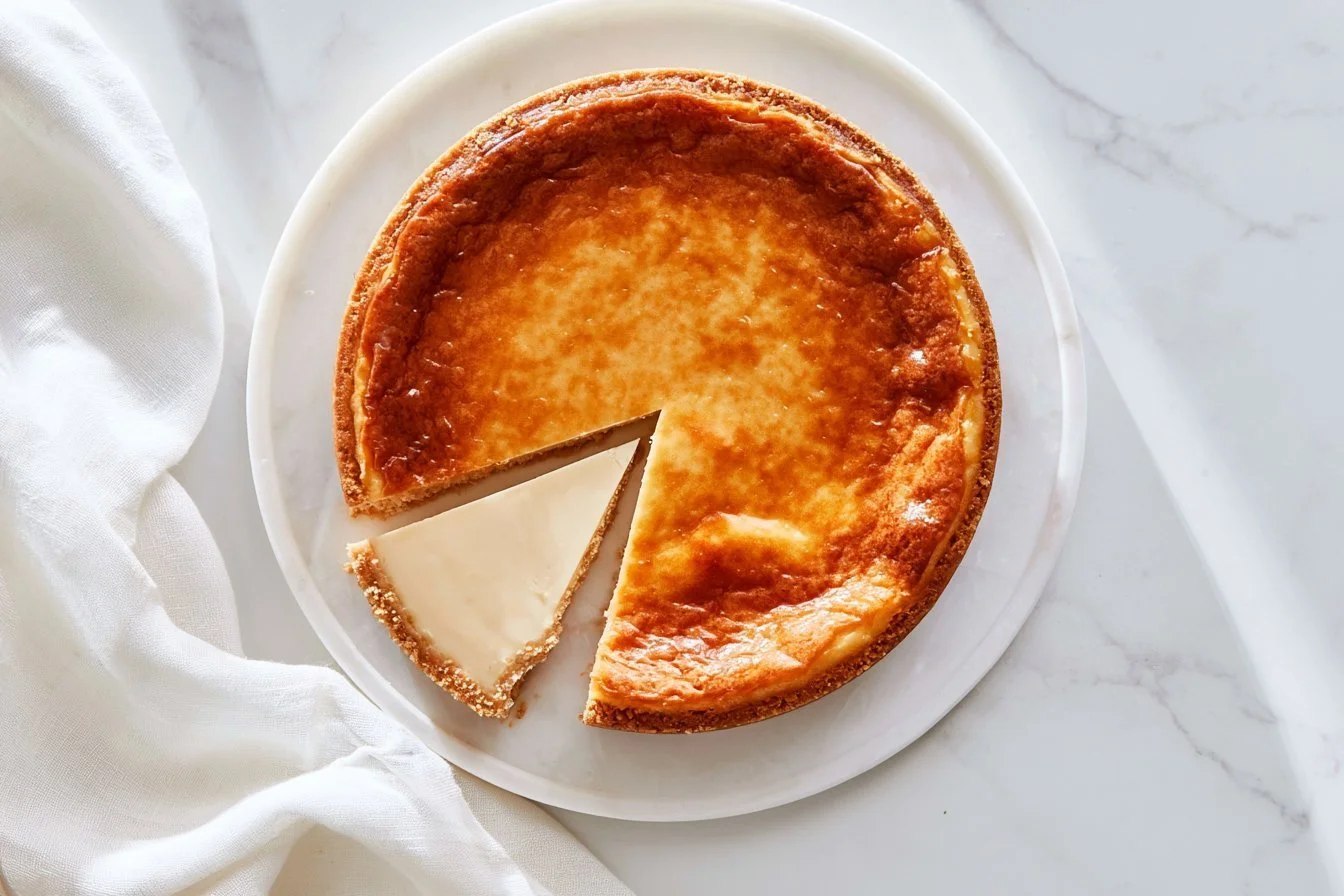
In this article, I’ll share a creamy German cheesecake recipe that captures those warm memories and is sure to delight your family and friends just as it did mine. You may also find Bbq Chicken Drumsticks With Herb Roasted Potatoes Creamy Coleslaw useful.
Why you’ll love this Creamy German Cheesecake Recipe
- Rich and creamy texture: Experience a cheesecake that melts in your mouth, avoiding any dryness that often plagues other versions.
- Simple ingredients: With pantry staples like cream cheese, eggs, and sugar, you might already have most of what you need on hand.
- Perfect for any occasion: Whether it’s a summer barbecue or a cozy winter gathering, this cheesecake fits right in.
- Adaptable recipe: Feel free to customize it with fruit toppings or flavor variations to suit any palate.
Ingredients you’ll need
- 2 cups graham cracker crumbs (for a crisp, buttery crust that balances the creamy filling)
- 1/2 cup unsalted butter (melted, to bind the crust together)
- 4 packages (8 oz each) cream cheese (softened, providing that rich creaminess)
- 1 cup granulated sugar (sweetens the filling, balancing the tanginess of the cheese)
- 4 large eggs (room temperature, to ensure smooth incorporation)
- 1 teaspoon vanilla extract (for a hint of fragrant flavor)
- 1 tablespoon lemon juice (adds a subtle brightness)
How to make Creamy German Cheesecake
- Preheat your oven to 325°F (160°C). Grease a 9-inch springform pan and set it aside.
- In a bowl, combine the graham cracker crumbs and melted butter. Mix until well combined, then press the mixture into the bottom of the prepared pan, forming an even layer.
- In a large mixing bowl, beat the softened cream cheese until completely smooth. This process will ensure there are no lumps in the cheesecake.
- Gradually add the sugar, beating until light and fluffy. Then, blend in the vanilla extract and lemon juice.
- Add the eggs one at a time, mixing gently after each addition until just combined. Avoid overmixing, as this can incorporate excess air leading to cracks.
- Pour the cream cheese mixture over the crust in the springform pan, smoothing the top with a spatula.
- Bake for 55-60 minutes, or until the edges are set, but the center still slightly jiggles. If you’d like to check for doneness, you can look for a slight browning around the edges.
- Turn off the oven and crack the door, letting the cheesecake cool gradually for an hour before transferring it to the refrigerator to chill for at least 4 hours or overnight.
Tips for the best results
- Use room temperature ingredients: This includes the cream cheese and eggs, which will blend more uniformly into a smooth batter.
- Run a knife around the edges: This helps prevent cracks from forming as the cheesecake cools.
- Water bath method: For a creamier texture, bake the cheesecake in a water bath. Wrap the outside of the springform pan in foil and place it in a larger pan filled with hot water.
Common mistakes to avoid
- Overmixing the batter: This can introduce too much air, leading to cracks once it cools.
- Skipping the cooling phase: Rapid temperature changes can cause cracks; letting your cheesecake cool in the oven helps achieve that perfect texture.
- Cutting too soon: Patience is key! Wait until the cheesecake is fully chilled before slicing to maintain clean edges.
Variations
- Fruit topping: Add a layer of fresh strawberries or blueberries on top for added flavor and color.
- Flavor infusion: Experiment by mixing in a few tablespoons of cocoa powder for a chocolate version or a splash of almond extract for a delightful twist.
- Gluten-free option: Swap the graham crackers for a gluten-free alternative or simply use crushed nuts for the crust.
Storage and reheating
Your cheesecake can be stored in the refrigerator for up to one week. To keep it fresh, cover it tightly with plastic wrap or aluminum foil. If you decide to freeze it, wrap it well to prevent freezer burn, and it can last up to three months. To reheat, let it thaw in the refrigerator overnight before serving. You may also find Cajun Chicken Pasta With Creamy Sauce useful.
Frequently asked questions
Can I make this cheesecake ahead of time?
Absolutely! In fact, making it a day in advance can enhance the flavors as they meld.
Why did mine turn out dry?
Ensure you are baking it at the correct temperature and avoid overbaking, as this can lead to a dry texture.
Can I use low-fat cream cheese?
While low-fat options are available, they may not provide the same rich flavor and texture as full-fat cream cheese.
Final thoughts
As you slice into your perfectly chilled German cheesecake, the creamy filling will transport you back to those cherished family gatherings, just like the ones from my childhood. With each bite, you’ll feel the warmth and love infused in this delightful dessert.
Conclusion
Crafting a creamy German cheesecake is not just about following a recipe; it’s about creating memories that linger long after the last slice is gone. If you’re on the hunt for more cheesecake inspirations, consider checking out Authentic and Easy German Cheesecake (Käsekuchen) or for a deeper dive into variations, explore German Cheesecake (Käsekuchen) – The Daring Gourmet. Happy baking!